
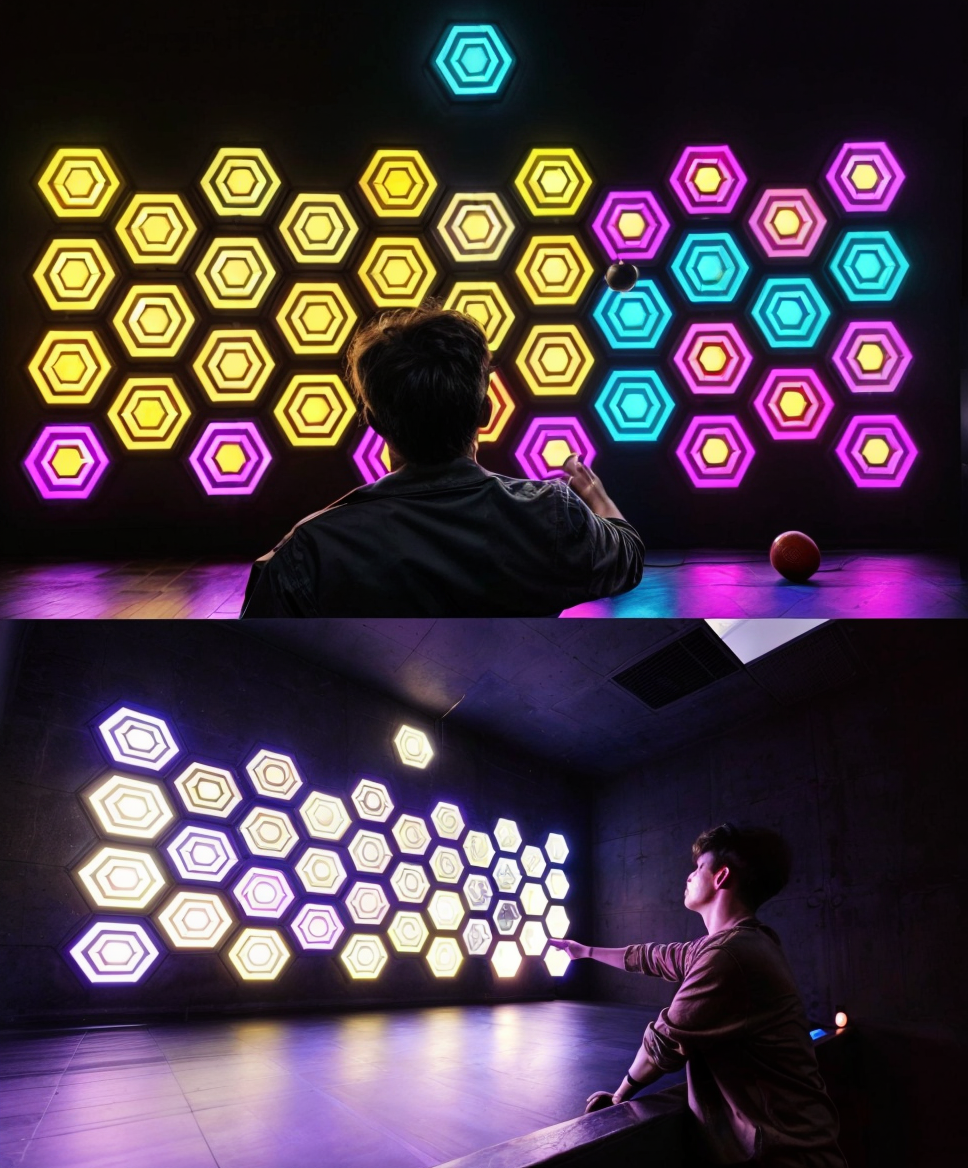

In the age of e-commerce, the modern shopping mall is no longer just a place to buy things—it must be a place to do things. The most significant challenge facing mall operators today is the “experience deficit,” which leads directly to declining foot traffic and the costly problem of empty, un-leased retail space. These vacancies are not just a drain on revenue; they damage the mall’s atmosphere and deter new tenants.
Dynamic Game Center Investment
The traditional answer—more seating, a pop-up shop, or generic seasonal displays—is no longer enough. To win back visitors, malls must provide a compelling, high-energy reason to visit that cannot be replicated online.
This is where “Active Game” interactive equipment transforms the business model.
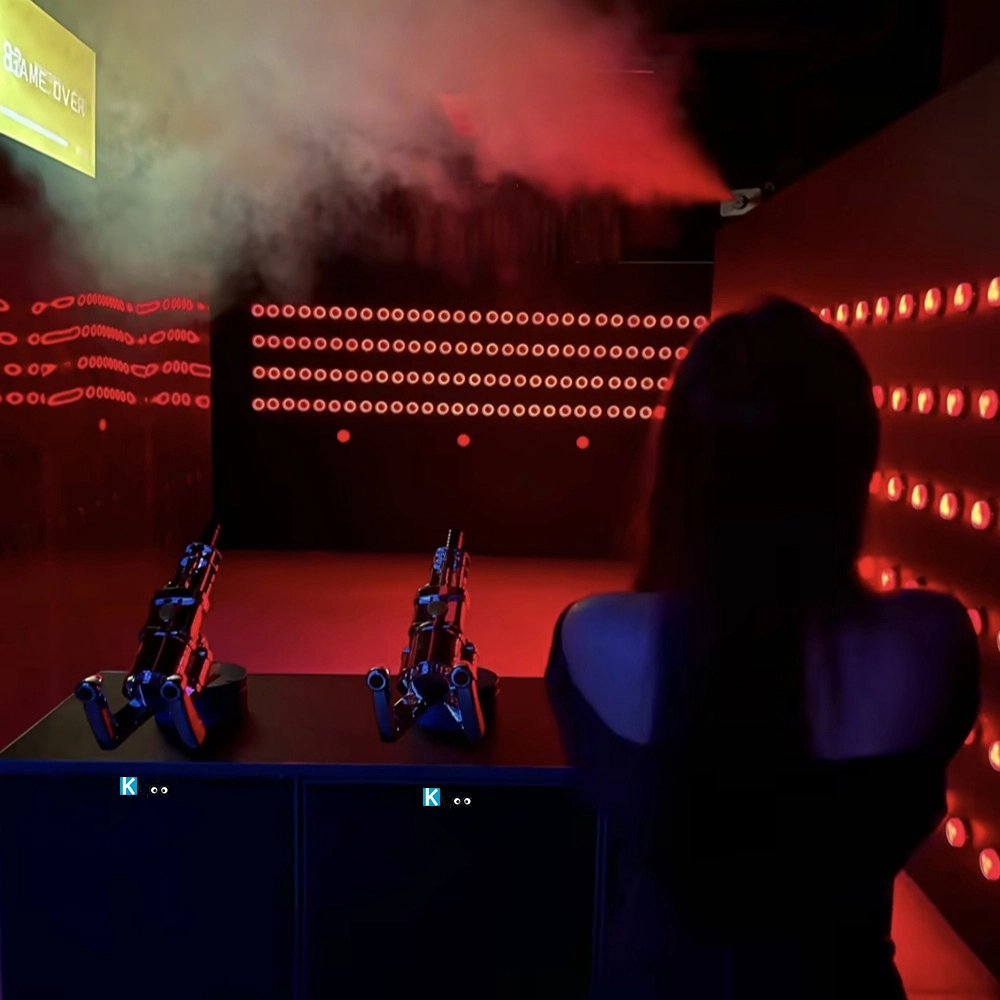
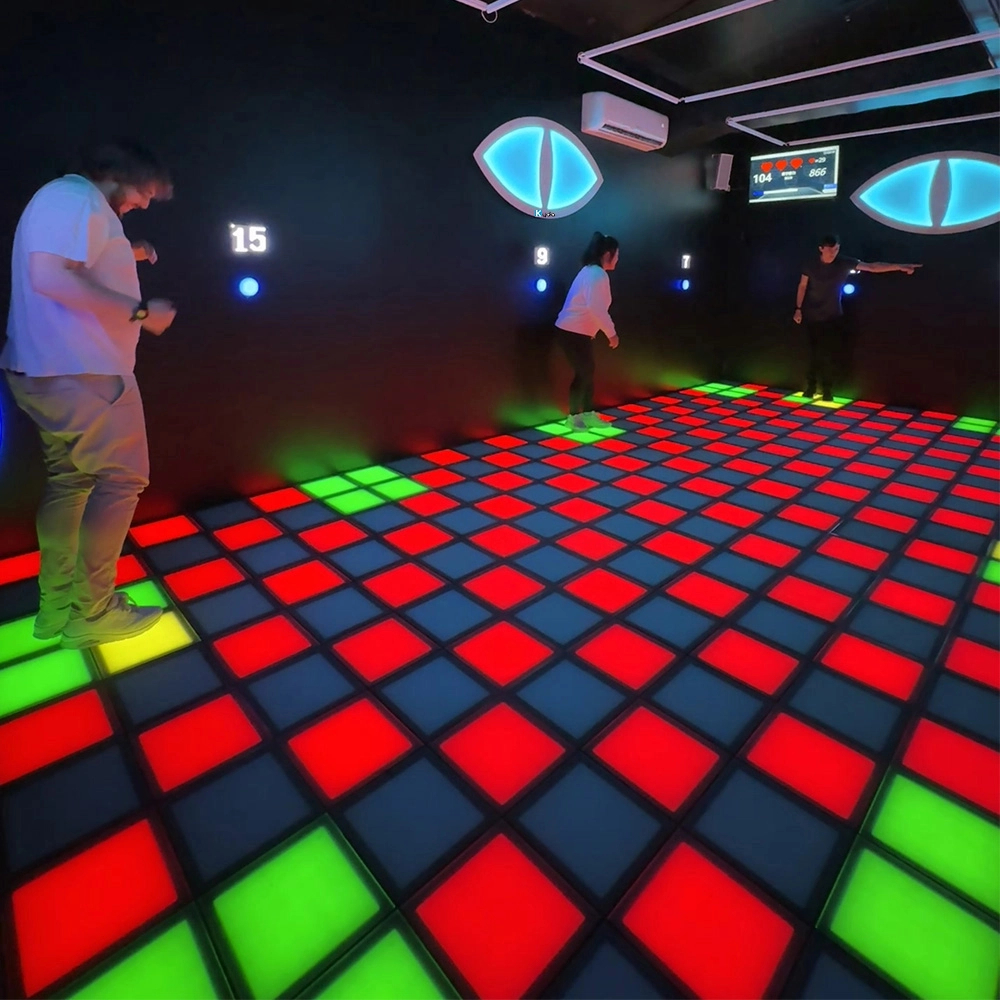
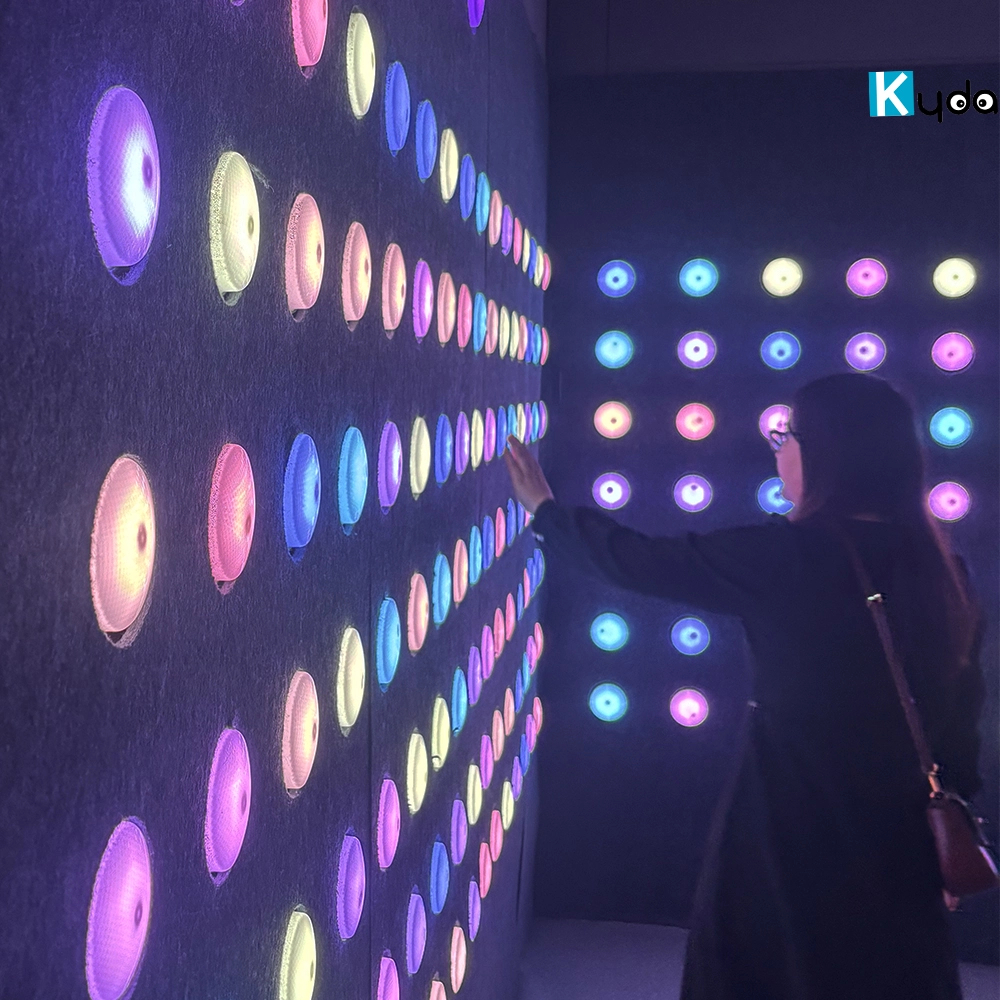
Imagine a large, vacant storefront. Now, picture that same space transformed into a dynamic, glowing “Active Game Room” featuring LED interactive floors, laser mazes, and high-speed reaction walls. This is not a passive ride or a small arcade cabinet; it’s a physically engaging, multi-player, social experience.
This equipment acts as a powerful visual magnet. The lights, sounds, and energy of people playing draw crowds from across the concourse. It turns a dead-end corridor into a high-energy hub.
More importantly, it provides a new “anchor attraction.” Malls once relied on massive department stores to draw in crowds. Today, “experiential” attractions are the new anchors. A family doesn’t just “end up” at the mall; they make a destination visit specifically to try the new active game experience.
Once they are on-site, the entire retail ecosystem benefits. A 30-minute game session is perfectly bookended by a 60-minute shopping trip and a 45-minute meal at the food court. The interactive equipment doesn’t just fill empty space; it activates it, turning a non-performing asset into the very engine that drives foot traffic, increases visitor dwell time, and boosts sales for every other tenant on the property.

Leave a Reply