

In the competitive world of Family Entertainment Centers (FECs) and indoor adventure parks, operator success hinges on one metric: throughput. High-throughput attractions mean shorter lines, happier customers, and significantly higher revenue per hour. Among these attractions, laser maze challenge equipment remains a perennial favorite, blending physical activity with the fantasy of a spy movie.
However, not all laser mazes are built for the heavy demands of a commercial environment. If you are in the market to upgrade your venue, here are the essential features you must look for to ensure your investment delivers maximum ROI.
1. Instant Reset Capabilities
In a high-traffic venue, every second counts. Old-fashioned systems might require 30 to 60 seconds to reset between players. This creates bottlenecks. What to look for: Look for Activate interactive game systems that feature “instant reset” technology. As soon as a player finishes or fails, the system should be ready for the next player within 3-5 seconds. This feature alone can increase your hourly capacity by 20-30%.
2. Multi-Player and Co-Op Modes
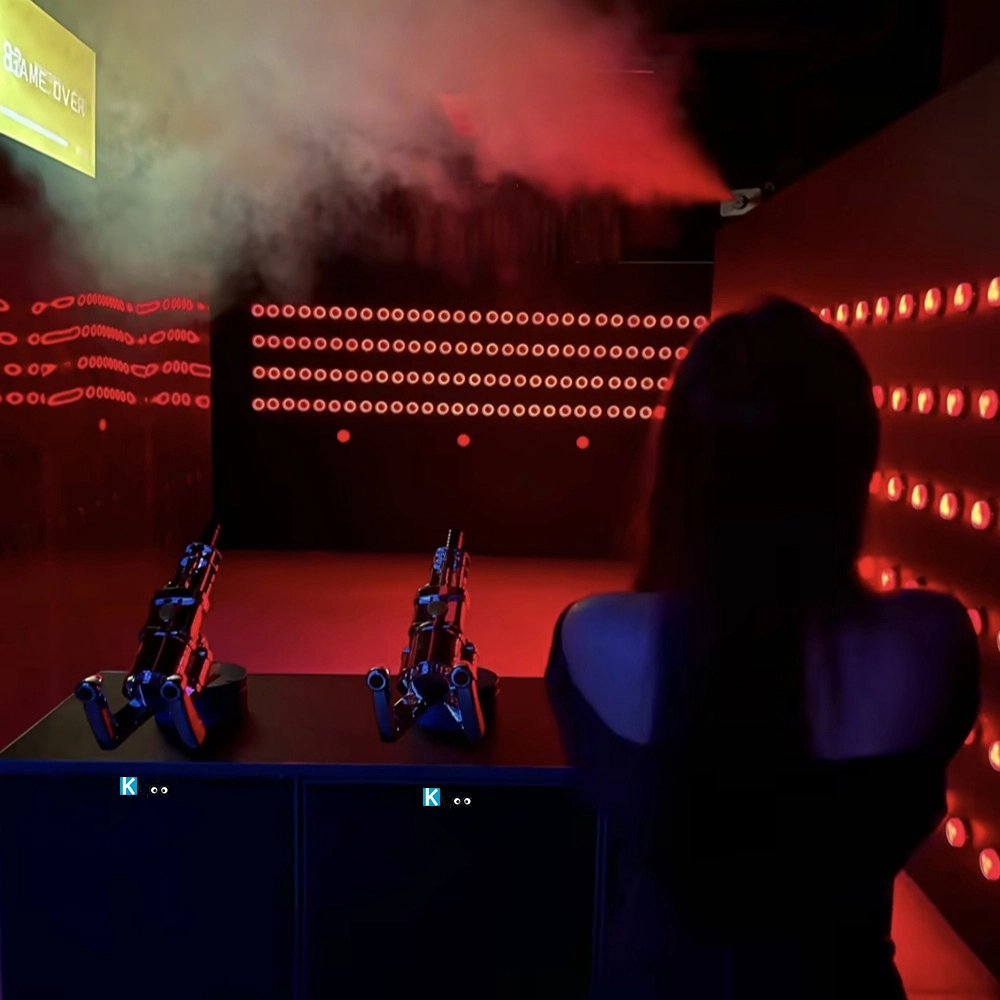
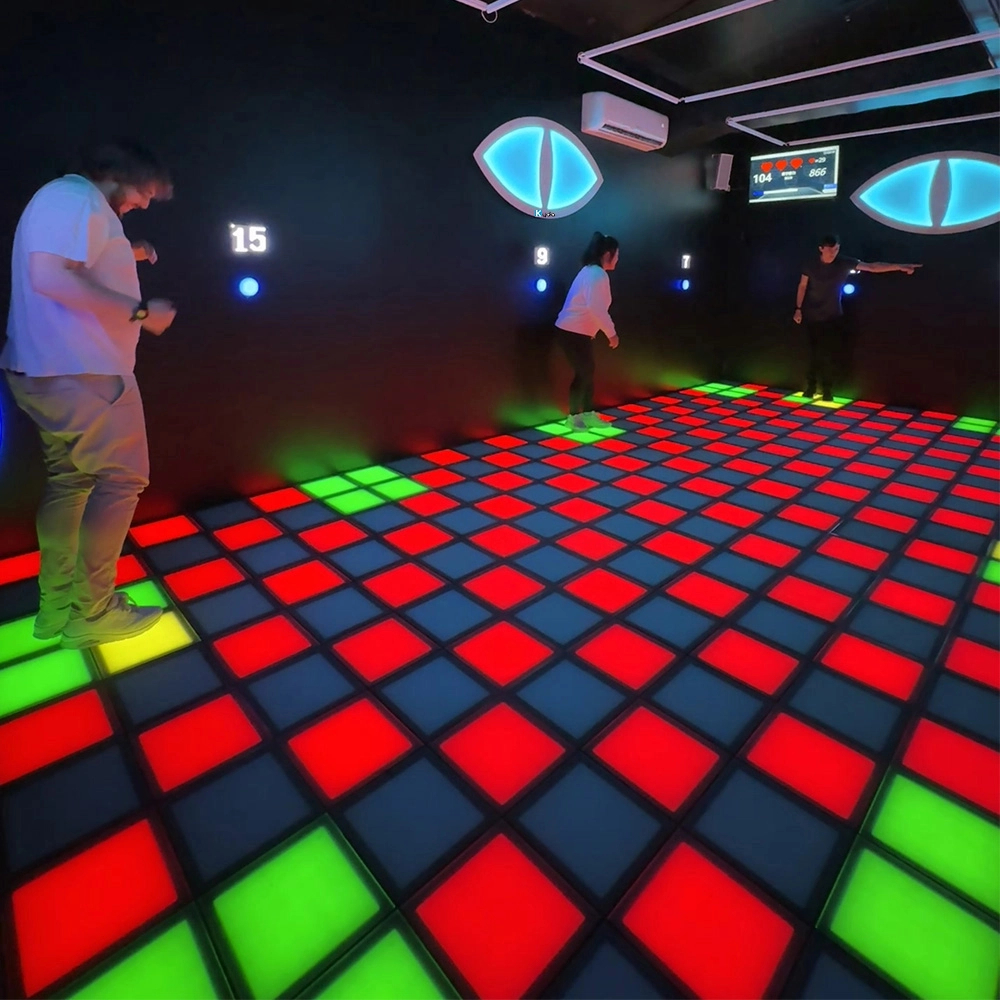
Single-player games are great, but groups generate more revenue. A system that only allows one player at a time limits your earning potential. What to look for: Choose equipment that supports dual-play or team modes. Modern systems from manufacturers like Games allow players to work together to dodge lasers or race against each other. This not only doubles your throughput but also increases the “social fun” factor, encouraging groups of friends to play repeatedly.
3. Commercial-Grade Durability and Sensors
Your laser maze will be subjected to thousands of players running, jumping, and occasionally bumping into walls. Residential or low-end sensors will fail quickly, leading to downtime. What to look for: ensure the laser maze challenge equipment uses industrial-grade sensors and robust casing. The lasers should be visible and bright (often using green lasers for higher visibility) but safe for the eyes. The hardware must be able to withstand 12+ hours of continuous operation daily without overheating or calibration drift.
4. Automated Difficulty Scaling
If a game is too hard, kids get frustrated; if it’s too easy, adults get bored. A static difficulty setting kills replay value. What to look for: Advanced software that offers multiple difficulty levels (Beginner, Intermediate, Expert, Impossible). Ideally, the system should allow players to select their difficulty on a touchscreen outside the room, or the operator should be able to adjust settings globally based on the demographic of the crowd that day. laser maze challenge equipment
5. Spectator Appeal (The “Fishbowl” Effect)
Marketing happens on your floor. If people waiting in line can’t see the action, they might lose interest. What to look for: A system that integrates with external monitors or transparent viewing areas. Displaying the player’s score and a live video feed on the outside of the room turns the game into a spectator sport, drawing a crowd and keeping the queue engaged.
Conclusion
Investing in the right laser maze challenge equipment is about balancing technology with operational efficiency. By prioritizing instant resets, durable hardware, and flexible game modes, you ensure your attraction becomes a high-profit anchor for your entertainment center.
we specialize in manufacturing high-throughput active entertainment solutions designed specifically for commercial venues. Contact us today to discuss how we can customize a laser maze for your space.

Leave a Reply